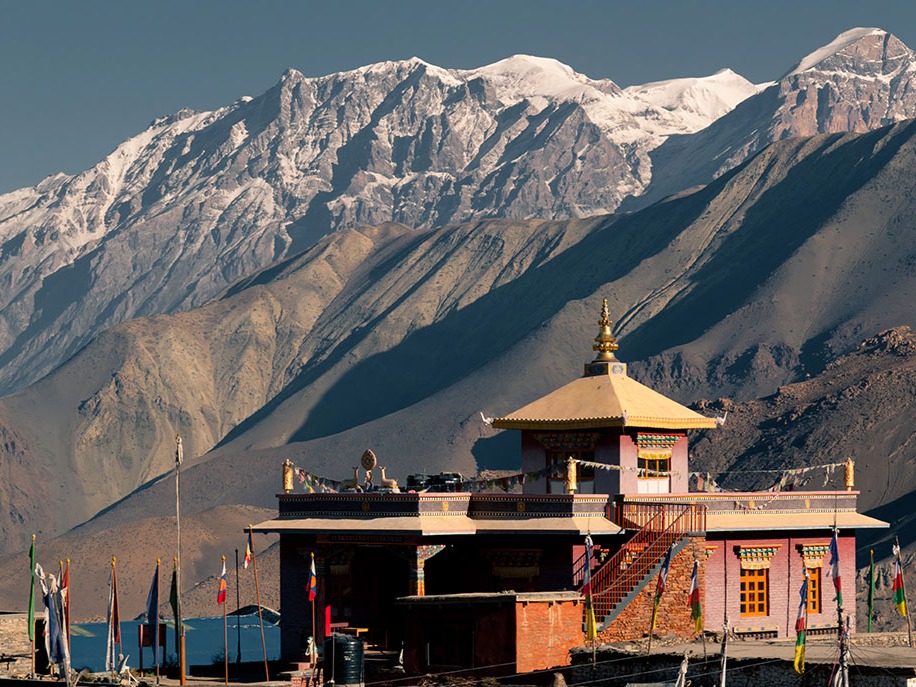
Imagine walking through a quiet Himalayan forest as the morning mist rises between the trees. A laughingthrush calls from the undergrowth, a sunbird moves between flowering branches, and an eagle circles high above a distant ridge. Later, you might find yourself beside a peaceful wetland, watching herons, storks and migratory waterbirds feed along the riverbanks.
This is the magic of a bird watching tour in Nepal.
Nepal is renowned for its towering mountains, ancient temples and trekking trails, but it is also an exceptional destination for birdwatchers and wildlife photographers. Its extraordinary variation in altitude, climate and habitat supports more than 900 recorded bird species, ranging from tropical lowland birds and wetland specialists to colourful Himalayan forest birds and high-altitude species.
At Gateway Adventure Treks and Expedition Pvt. Ltd., we invite you to discover Nepal beyond its famous mountain panoramas. Explore forest trails around Kathmandu, search for waterbirds in the Terai wetlands, watch wildlife in national parks, and experience the remarkable relationship between Nepal's natural landscapes and local communities.
Whether you are an experienced birder hoping to add new species to your life list, a wildlife photographer searching for your next great image, or a traveller who simply enjoys nature, a birding holiday in Nepal can be tailored to your interests, schedule and travel style.
Explore Nepal through its birds, from the subtropical lowlands to the forests beneath the Himalayas.
Nepal offers a remarkable variety of birdwatching experiences within a relatively compact country. The elevation rises from the lowland plains to the world's highest mountain region, creating distinct ecological zones and a wide range of habitats.
This geographical diversity is one of the main reasons Nepal attracts birdwatchers from around the world.
Nepal's birdlife includes pheasants, hornbills, woodpeckers, laughingthrushes, flycatchers, sunbirds, raptors, owls, waterfowl and many other groups. Different regions offer different opportunities, so a carefully planned itinerary can introduce you to a varied selection of species.
Birdwatchers may hope to encounter the Himalayan Monal, Nepal's national bird, or search for the Spiny Babbler, a species endemic to Nepal. Wetland trips may reveal impressive storks and other waterbirds, while forest walks offer opportunities to observe elusive songbirds.
Bird sightings always depend on season, weather, habitat conditions and luck, but travelling with an experienced birding guide can help you identify promising locations and recognize birds by their calls, behaviour and field marks.
A birdwatching journey through Nepal can include several distinct environments:
Subtropical forests: Home to colourful songbirds, barbets, woodpeckers and other forest species.
Temperate and rhododendron forests: Excellent places to look for laughingthrushes, babblers, pheasants and Himalayan forest birds.
Rivers and wetlands: Important habitats for ducks, waders, storks, herons and kingfishers.
Grasslands and riverine forests: Productive habitats for grassland specialists, raptors and a variety of lowland birds.
High-altitude landscapes: Opportunities to search for mountain specialists, including pheasants and birds of prey, depending on the route and season.
Combining several habitats in one itinerary is often more rewarding than spending the entire trip in a single location.
You do not need to be a professional ornithologist to enjoy birdwatching in Nepal.
Beginners can start with gentle forest walks and guided nature excursions around Kathmandu. Experienced birders can plan longer trips targeting particular families, endemic species, migratory birds or high-altitude habitats. Photographers may prefer slower itineraries with extra time at productive locations and suitable opportunities for observing birds without disturbance.
Gateway Adventure Treks can help you choose a route based on your experience, available time, preferred accommodation and birding goals.
The best birding destination depends on which birds you hope to see, how much time you have and which habitats interest you most. The following destinations provide an excellent foundation for planning a Nepal birdwatching holiday.
Phulchowki Hill, southeast of Kathmandu, is one of the valley's best-known birdwatching destinations. Its forested slopes, changing vegetation and varied elevations make it an excellent choice for a full day of birding.
The forest around Godawari and the route towards Phulchowki provide opportunities to look for babblers, laughingthrushes, minivets, sunbirds, flycatchers and other Himalayan foothill species.
Birders may also search for the Spiny Babbler and Himalayan Cutia, although neither should be considered a guaranteed sighting.
Best for: Forest birdwatching, photography, day trips and travellers with limited time.
Recommended duration: One full day, with additional time if you want to explore surrounding habitats.
Why visit: Phulchowki allows visitors to experience rich forest birdlife without travelling far from Kathmandu.
Located north of Kathmandu, Shivapuri Nagarjun National Park offers forest trails, wooded hillsides and a refreshing escape from the city. Its accessible location makes it a useful addition to a short birdwatching itinerary.
As you walk through the forest, listen for calls and watch carefully along the canopy, forest edges and quieter sections of the trail. Possible sightings include Kalij Pheasant, Himalayan Bulbul, laughingthrushes, woodpeckers and various raptors.
Bird activity changes with elevation, season and local conditions. A patient walk with regular listening stops can be more rewarding than covering the trail quickly.
Best for: Beginners, short birdwatching holidays, nature walks and Kathmandu-based excursions.
Recommended duration: Half a day to one full day.
Chitwan National Park is internationally recognised for its wildlife, but its grasslands, rivers, oxbow lakes and riverine forests also make it an important destination for birdwatching in Nepal.
The park's varied habitats support a large range of resident and migratory species. Birders can search for hornbills, kingfishers, bee-eaters, storks, eagles, owls, woodpeckers and numerous wetland and woodland birds.
Depending on the location and season, birdwatchers may look for species such as the Great Hornbill, Lesser Adjutant, Grey-headed Fish Eagle and Indian Pitta.
Early-morning walks are particularly useful for listening to forest birds and observing activity before the heat of the day. Riverbanks and wetlands can provide excellent opportunities to watch waterbirds.
A guided birdwatching excursion is a good way to explore the park's birdlife while learning about its habitats and wider conservation importance.
Best for: Birdwatching combined with wildlife safaris, nature photography and family holidays.
Recommended duration: Two to three days.
Koshi Tappu Wildlife Reserve, in eastern Nepal, is one of the country's most important destinations for wetland birdwatching. Its floodplains, reed beds, marshes, grasslands and river channels provide habitat for resident birds and seasonal migrants.
During the appropriate season, birders can search for ducks, geese, waders, storks, ibises, eagles and other wetland species. The reserve and surrounding Koshi floodplain are also known for supporting globally threatened birds, making the area especially interesting for conservation-minded travellers.
Potential sightings include the Swamp Francolin, Black-necked Stork and other specialised wetland birds. The Bengal Florican is an important target for grassland birders, but it is rare and should never be promised as a definite sighting.
Winter is particularly attractive for many migratory waterbirds. Guided walks, suitable observation points and carefully planned visits to different wetland habitats help maximise opportunities.
Best for: Dedicated birders, waterbird enthusiasts, migratory birdwatching and wildlife photographers.
Recommended duration: Two to three days, or longer for a specialist birding trip.
For travellers seeking a quieter wildlife experience, Bardiya National Park is an excellent destination to consider. Located in western Nepal, the park protects extensive forests, grasslands and riverine habitats.
Its diverse landscapes support a variety of forest birds, grassland specialists, raptors, waterbirds and other wildlife. Birders can explore suitable areas around the park and nearby wetlands with knowledgeable local guides.
Depending on season and habitat, possible targets include hornbills, storks, eagles, kingfishers, woodpeckers and other lowland species. The wider region also offers opportunities to combine birdwatching with nature walks and wildlife observation.
Bardiya is especially appealing to travellers who want to explore beyond Nepal's most familiar wildlife destinations and spend more time immersed in the natural environment.
Best for: Extended birding holidays, wildlife photography and exploring western Nepal.
Recommended duration: Two to four days, depending on your interests and onward travel arrangements.
Lumbini, the birthplace of Gautama Buddha, is also a rewarding destination for nature enthusiasts. The surrounding agricultural landscapes, wetlands, ponds and grasslands provide opportunities to observe a variety of resident and migratory birds.
Nearby Jagdishpur Reservoir, in Kapilvastu District, is an important wetland conservation site and a notable stop for birdwatchers exploring the southern plains.
Depending on the season and water conditions, visitors may look for ducks, herons, egrets, storks, waders and other water-associated birds. Open landscapes can also offer opportunities to observe raptors and grassland species.
Lumbini is particularly attractive for travellers who want to combine birdwatching with cultural heritage. A carefully arranged itinerary can include time for the sacred gardens and monasteries as well as excursions to suitable birding locations.
Best for: Wetland birdwatching, cultural and nature tours, photography and birding circuits through the western Terai.
Recommended duration: One to two days, with additional time for nearby wetlands.
Pokhara is known for its lakes and mountain scenery, but it also provides access to a variety of birdwatching habitats. Phewa Lake, nearby wetlands, wooded hillsides and the surrounding foothills support a mixture of lowland and Himalayan species.
Birdwatchers can explore suitable lakeside areas for waterbirds and kingfishers, then visit forested slopes and nearby trails to look for flycatchers, laughingthrushes, minivets and other woodland species.
For travellers with more time, the Annapurna region offers opportunities to explore higher elevations and changing forest types. The birdlife changes as the landscape rises, making this region especially appealing for those interested in both mountain scenery and bird diversity.
Best for: Lakeside birdwatching, Himalayan foothill species, scenic photography and birding combined with trekking.
Recommended duration: Two to four days, or longer for a dedicated birding trek.
The Langtang region offers a different birdwatching experience, with forested valleys, bamboo thickets, rhododendron woodland and higher mountain habitats.
As the trail rises, the vegetation and bird communities change. Depending on the route and season, birders may search for pheasants, laughingthrushes, tits, accentors, finches and other mountain species.
This destination suits travellers who enjoy walking and want to combine birdwatching with mountain landscapes and village experiences. However, some locations require longer walks and greater physical effort than the Kathmandu Valley or lowland wetlands.
Best for: Himalayan forest birding, birding treks and travellers seeking a combination of wildlife and mountain scenery.
Recommended duration: Four days or more, depending on the route.
Birdwatching is possible throughout the year in Nepal, but the most suitable time depends on your target species, preferred habitats and planned destinations.
Spring is a rewarding period for forest birdwatching. Many resident species become more vocal during the breeding season, and flowering vegetation can attract nectar-feeding birds. The weather is often suitable for exploring the mid-hills and Himalayan foothills.
Phulchowki, Shivapuri, Pokhara and selected Himalayan trails are worth considering during this period.
Autumn generally brings improving visibility after the monsoon, comfortable conditions in many regions and opportunities to observe seasonal bird movements.
It is a popular time for combining birdwatching with trekking, cultural visits and wildlife excursions. Actual conditions vary by location, so itineraries should account for recent rainfall and local access.
Winter is particularly attractive for migratory waterbirds in Nepal's lowland wetlands and river systems.
Koshi Tappu, Chitwan, Lumbini and other suitable Terai wetlands are strong options for birders interested in waterfowl, waders and winter visitors.
In the hills, some birds move to lower elevations, creating different opportunities for forest birdwatching.
The monsoon brings heavy rainfall to many parts of Nepal. Trails may become slippery, leeches are common in some forests, and road travel can be disrupted.
Nevertheless, the season can still offer rewarding birdwatching in suitable locations, particularly for travellers who are flexible and prepared for wet conditions. It is important to check local weather and access before travelling.
Our recommendation: For a first birdwatching holiday, consider spring or autumn for a mixture of forest and lowland habitats. If migratory waterbirds are your priority, plan around the winter season and choose your wetlands accordingly.
A longer birdwatching holiday allows you to explore several habitats rather than relying on one destination. The following is a suggested route for planning purposes. It can be adjusted according to flight schedules, road conditions, your target species and the amount of time you wish to spend in each location.
Arrive at Tribhuvan International Airport and transfer to your hotel. Meet your tour team, review the itinerary and prepare your binoculars, field guide and camera equipment.
If time permits, enjoy a short introductory walk around suitable gardens or quiet green spaces.
Spend the day exploring the forested slopes around Godawari and Phulchowki. Search for Himalayan foothill birds, listen for calls and observe different forest layers.
Explore suitable forest trails north of Kathmandu. Focus on woodland birds, pheasants, laughingthrushes and other species found in the valley's forest habitats.
Travel to the Chitwan region by road or an appropriate transport arrangement. Depending on arrival time, enjoy an introductory birdwatching walk near the lodge or along a suitable riverine habitat.
Explore selected grassland, forest and wetland habitats with a guide. Spend time observing birds along the riverbanks and in quieter woodland areas.
Enjoy an early-morning birding session before travelling towards Lumbini, subject to road conditions and the chosen transport plan.
Explore suitable birding locations around Lumbini and make an excursion to Jagdishpur Reservoir if conditions and logistics permit. Look for waterbirds, waders and birds of open landscapes.
Travel west towards Bardiya. This is primarily a transfer day, with opportunistic birdwatching stops where safe and practical.
Explore selected habitats around Bardiya with a local guide. Focus on forest birds, grassland species, raptors and riverine birdlife.
Spend another day exploring different areas and revisiting productive locations. Extra time can be valuable for improving identification and photographing birds without rushing.
Travel towards Kathmandu using a suitable road or flight arrangement, depending on availability and the final itinerary.
Transfer to the airport for your onward journey, or extend your holiday with additional birdwatching in the Kathmandu Valley or another region.
Important: This is a proposed itinerary, not a fixed departure package. Travel times, transport options, accommodation and access to protected areas should be confirmed before booking. A specialist birding itinerary may benefit from spending more time in fewer locations, particularly if you have a specific target list.
Nepal's birdlife is diverse, and the species you encounter will depend on the locations and seasons included in your itinerary.
Some of the birds that attract international birdwatchers include:
Himalayan Monal: A spectacular pheasant associated with Himalayan mountain forests and alpine habitats.
Spiny Babbler: Nepal's endemic bird, sought after by birders visiting suitable mid-hill habitats.
Himalayan Cutia: A distinctive forest bird that attracts attention from specialist birdwatchers.
Great Hornbill: An impressive hornbill associated with suitable forest habitats in the lowlands.
Black-necked Stork: A striking wetland bird that can be searched for in appropriate lowland habitats.
Bengal Florican: A highly threatened grassland bird that requires careful, location-specific planning.
Kingfishers: A diverse group that can be observed around rivers, lakes and wetlands.
Sunbirds: Small, colourful birds often associated with flowering plants.
Raptors: Eagles, hawks, kites, falcons and vultures may be observed across different habitats.
This list is intended as a guide to potential targets, not a guarantee of sightings. Responsible birdwatching prioritises natural behaviour, habitat protection and realistic expectations.
Nepal is also a compelling destination for bird photographers. Its range of habitats creates opportunities to photograph forest birds, waterbirds, raptors and mountain species against very different backgrounds.
A successful photography tour needs more than a long lens. It requires time, patience, suitable light and an understanding of bird behaviour.
For better results:
Start early when bird activity is often high.
Allow extra time at productive locations rather than changing sites constantly.
Use a telephoto lens appropriate to your equipment and the birds you are photographing.
Wear neutral-coloured clothing and move slowly.
Avoid approaching nests or disturbing feeding and resting birds.
Tell your tour planner whether you prefer photography opportunities or a broader species list.
Gateway Adventure Treks can help design a bird photography itinerary around suitable locations, travel logistics and your photographic priorities.
Binoculars are the most useful starting point for most birdwatchers. An 8×42 or 10×42 model is a good general-purpose option. Photographers should bring their camera, telephoto lens, spare batteries, memory cards and protective equipment appropriate for the weather.
A regional field guide or reliable bird identification app can also make the experience more rewarding.
Choose comfortable walking shoes, breathable clothing and muted colours. A light rain jacket, sun protection and a small daypack are useful in many locations.
For forest trails, pack clothing suitable for changing temperatures and potentially wet conditions.
An experienced birding guide can help identify calls, recognise field marks, choose appropriate observation points and explain local habitats. This is especially valuable when searching for elusive forest species or distinguishing similar-looking birds.
For specialist trips, discuss your target list and birding experience before finalising the route.
Birdwatching rewards patience. A short visit may produce memorable sightings, but longer stays at selected locations often provide better opportunities to observe behaviour, photograph birds and revisit difficult targets.
Build some flexibility into your schedule for weather, travel delays and unexpected discoveries.
Ethical birdwatching protects the wildlife that makes the journey worthwhile.
Keep a respectful distance from birds and their nests.
Do not handle wild birds or damage vegetation to obtain a photograph.
Avoid playback of recorded calls when it may disturb birds.
Follow the rules of national parks and conservation areas.
Use binoculars or camera equipment rather than approaching too closely.
Leave no litter and respect local communities.
The goal is not simply to see more birds. It is to experience them without compromising their welfare.
A rewarding birding holiday depends on selecting suitable locations, allowing enough time for observation and arranging reliable transport and accommodation.
Gateway Adventure Treks and Expedition Pvt. Ltd. offers a starting point for planning a birdwatching journey that fits your interests and wider travel plans.
Choose a short birdwatching excursion around Kathmandu or a longer journey combining forests, wetlands, national parks and Himalayan foothills.
Your itinerary can be planned for individual travellers, couples, families, photographers or small groups, subject to guide and service availability.
Nepal offers opportunities to combine birdwatching with wildlife viewing, cultural heritage, scenic drives, trekking and visits to historic destinations.
We can help coordinate route planning, transport, accommodation and relevant permits or entry arrangements for your chosen destinations. Specialist birding-guide availability and services should be confirmed for each trip.
We encourage respectful wildlife observation, compliance with protected-area rules and consideration for the habitats and communities that make Nepal's birding destinations special.
Our aim is to help you plan a meaningful journey, whether your goal is to observe a particular species, improve your bird photography or simply discover Nepal's natural beauty.
Yes. Nepal offers a wide range of habitats, from tropical forests and lowland wetlands to temperate woodlands and high Himalayan landscapes. This variety makes it attractive to beginners, experienced birders and wildlife photographers.
More than 900 bird species have been recorded in Nepal, although totals vary with taxonomic changes and the checklist used. Not all species occur in the same region or season.
Spring, from March to May, and autumn, from September to November, are good general periods for many birdwatching itineraries. Winter, from December to February, is particularly attractive for migratory waterbirds in suitable lowland wetlands.
Phulchowki and Shivapuri Nagarjun National Park are two of the best-known options. Depending on your available time, other forested hills and green spaces around the valley may also be worth exploring.
Koshi Tappu Wildlife Reserve is a leading destination for wetland birdwatching. Chitwan, Lumbini, Jagdishpur Reservoir and other lowland wetlands can also be rewarding, depending on the season and target species.
Absolutely. Beginners can start with easy walks and short excursions. A knowledgeable guide can introduce common species, explain identification techniques, and help you develop your observation skills.
Yes. An itinerary can be designed around photography, with time allocated to suitable habitats and observation points. Tell your tour planner about your camera equipment, target species and preferred pace.
A one-day excursion can introduce you to the birdlife around Kathmandu. A three-to-five-day trip allows more time for selected habitats, while a 10-to-14-day holiday can combine several regions. Specialist itineraries may require additional time.
Permit and entry requirements depend on the destination and the activities planned. National parks and conservation areas may require entry permits or other authorisations. Check current requirements before departure and arrange any necessary permissions in advance.
Yes. Birdwatching can be combined with wildlife experiences in Chitwan or Bardiya, wetland excursions around Lumbini, and cultural visits in Kathmandu or Lumbini. The final route should account for travel times and the time needed at each birding site.
From the forested hills surrounding Kathmandu to the wetlands of Koshi Tappu and the wildlife-rich lowlands of Chitwan and Bardiya, Nepal offers an extraordinary range of birdwatching experiences.
Every destination brings a different landscape, a different collection of bird species and a new reason to slow down and observe the natural world.
Whether you are planning your first birdwatching holiday, searching for Himalayan specialties or organising a photography-focused expedition, Gateway Adventure Treks and Expedition can help you explore suitable destinations and build an itinerary around your interests.
Ready to discover Nepal's birdlife?
Contact Gateway Adventure Treks and Expedition Pvt. Ltd. to discuss your preferred travel dates, target birds, trip duration and budget.
Website: https://gatewaytreks.com/
Email: gatewaytreks@gmail.com
Email: info@gatewaytreks.com
Phone: +977-9851360663
Office: Thamel, Kathmandu, Nepal
Let the forests, wetlands, and mountains of Nepal introduce you to a world of extraordinary birds.
Gateway Adventure Treks and Expedition Pvt. Ltd. — Explore Nepal, one bird at a time.











© Copyright Gateway Adventure Treks and Expedition Pvt. Ltd., 2026 All Rights Reserved